
The Paths We Take
What Hiking Has Taught Me About Career and Leadership

I didn’t give it much thought until someone pointed it out – but apparently, I use a lot of walking and hiking metaphors when I talk.
It makes sense. Over the last few years, walking and hiking have become an important part of my lifestyle. Time spent on trails gives me space to think, observe, and reflect – and I often find myself making connections between what I see on a hike and what I experience in life and work.
So here are a few trail-inspired reflections that seem to sneak their way into my conversations:
1) Walk in the Park: Some walks are breezy and peaceful – and while I appreciate those, they rarely stay with me. The hikes that challenge me physically or mentally, the ones with steep climbs or unexpected weather, are the ones I remember most. It’s a reminder that ease doesn’t always equate to fulfillment. The hard-won progress, in life or work, is often the most rewarding.
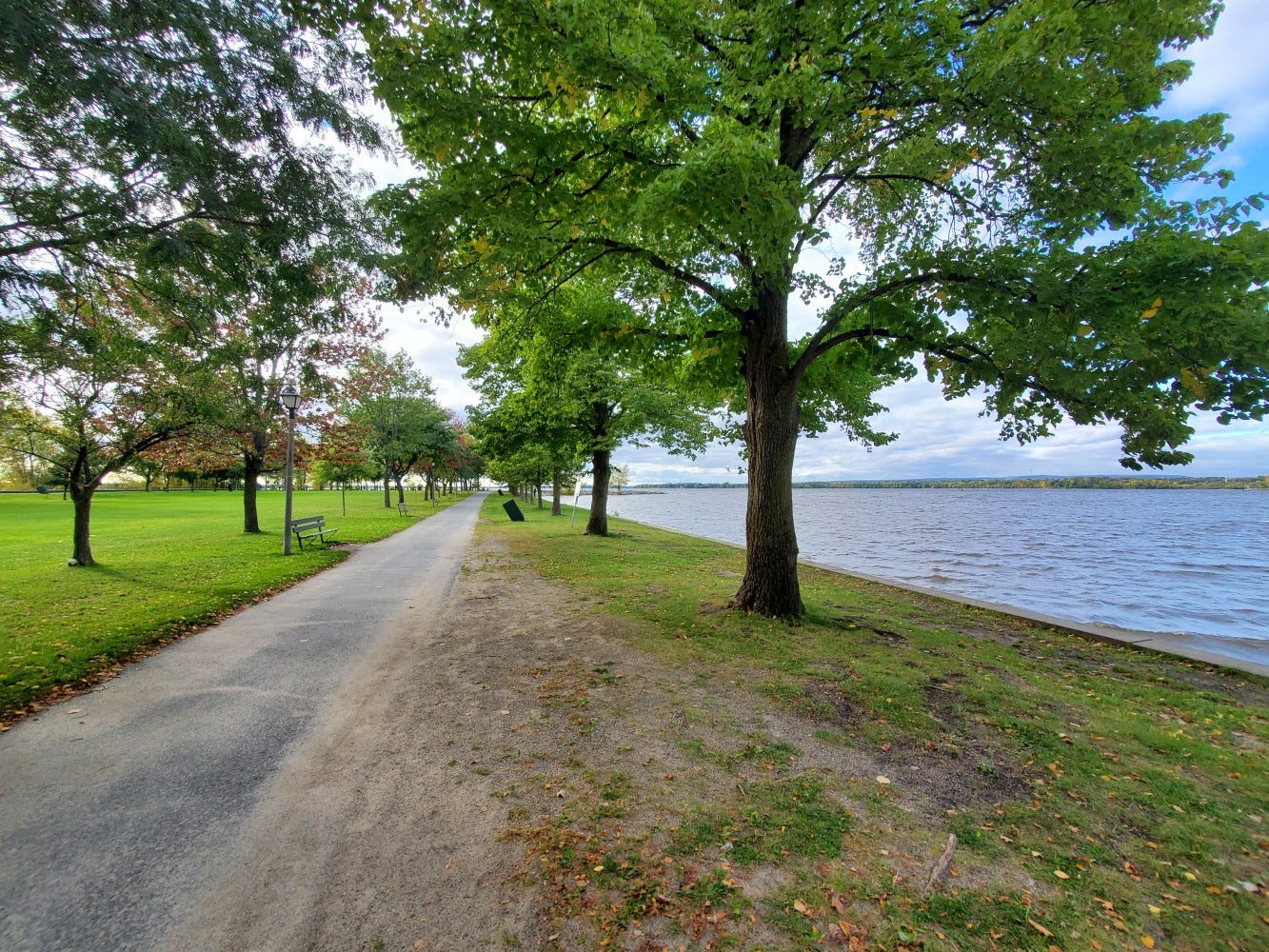
2) Off the Beaten Path: Every now and then, I like to take the less obvious trails — sometimes they’re barely marked, and often they lead to hidden lookouts or quiet places that most people miss. It’s the same with work and projects. When you follow a less conventional approach, you might have to navigate uncertainty, but the insights and experiences you gain can be deeply enriching.
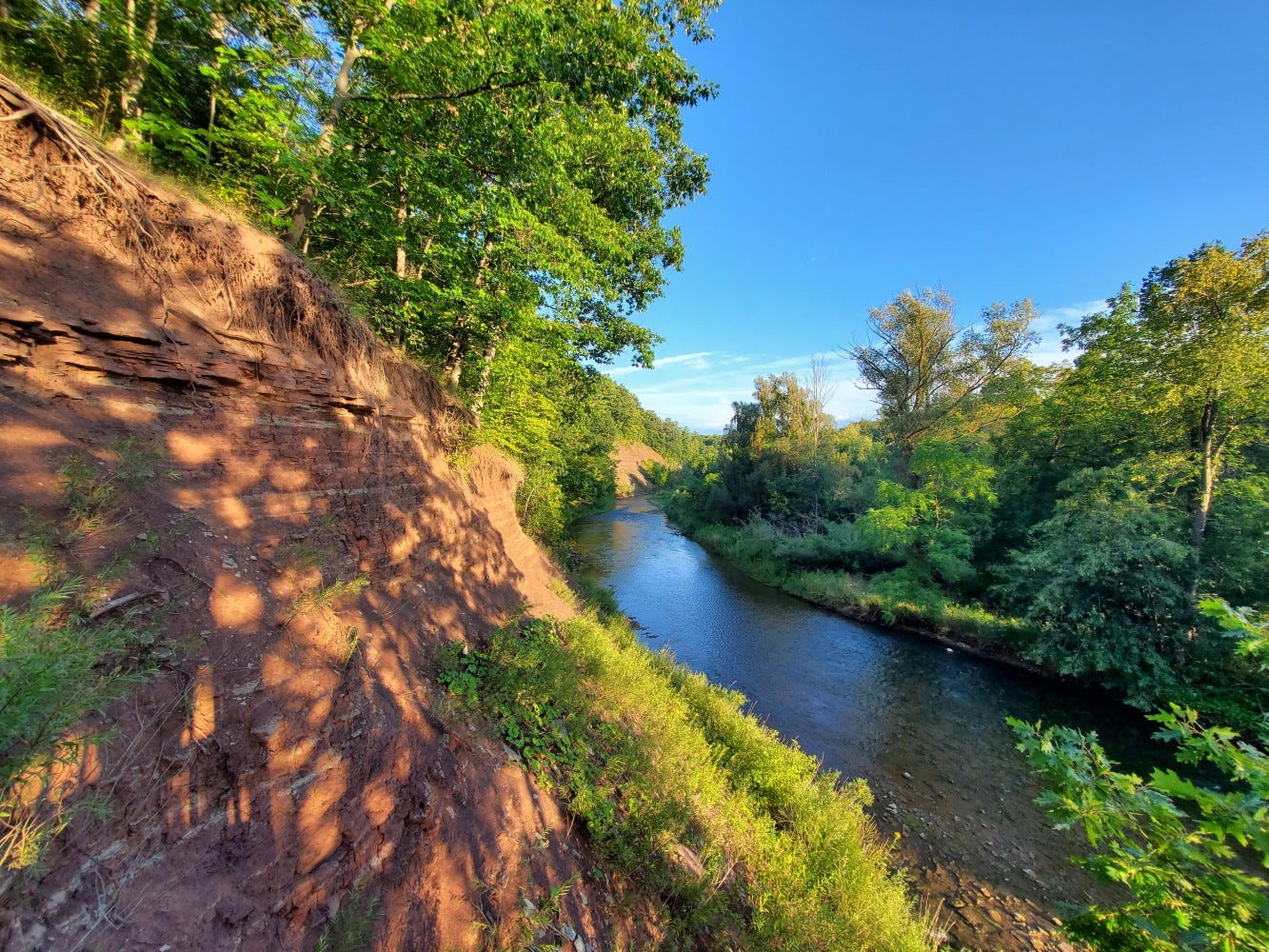
3) The Road Less Traveled: This one often speaks to personal choices. There have been times I’ve taken a professional or academic path that wasn’t mainstream or widely understood. But much like a rugged backcountry trail, it gave me perspective and learning I wouldn't have found otherwise.
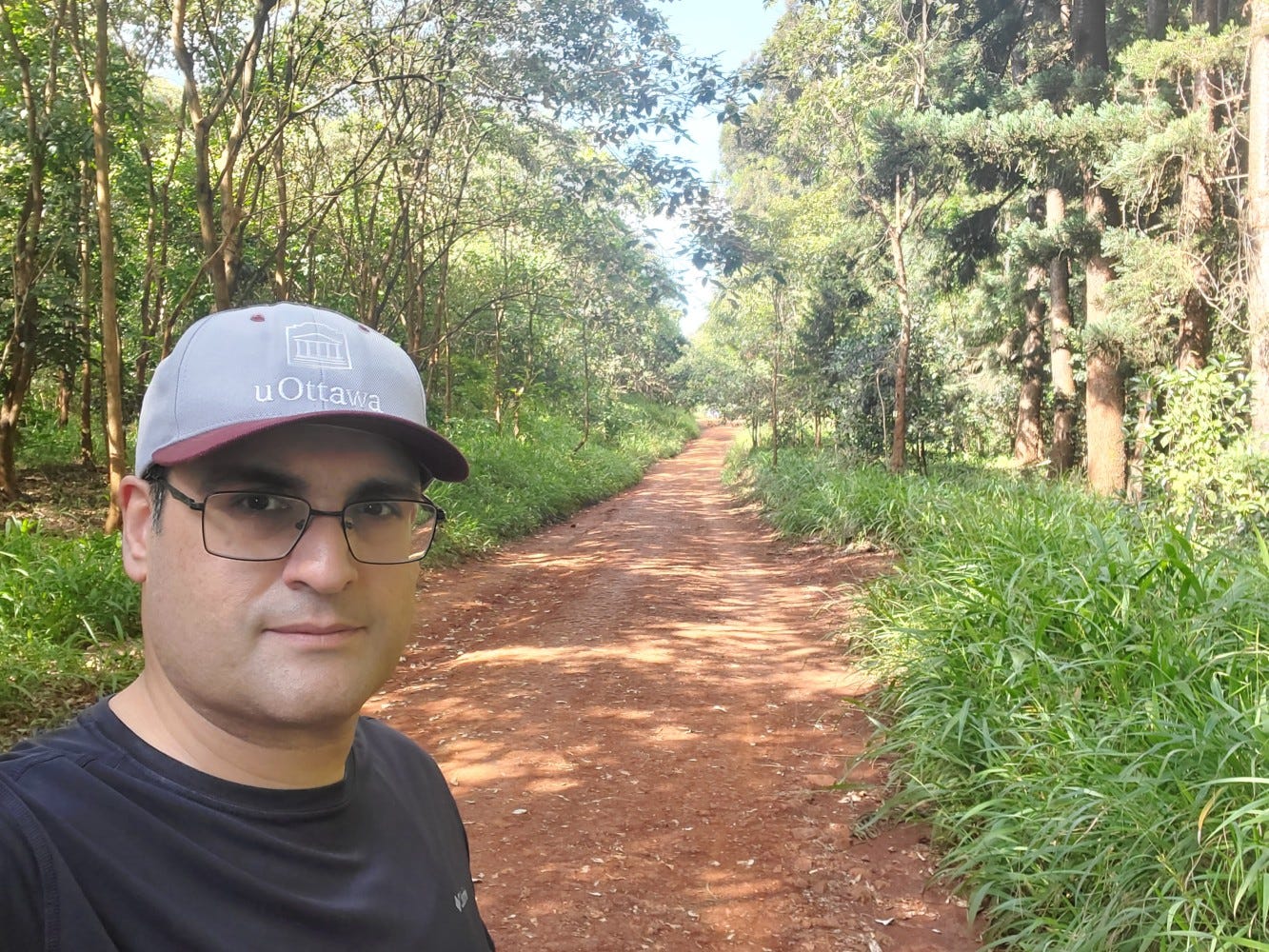
4) Path of Least Resistance: There have been hikes where I didn’t have the gear I needed – no trekking poles for a rocky descent, or no gaiters while stepping into deep snow. In those moments, I’ve either adjusted course or taken a longer but safer route. It reminds me that choosing the easiest way isn’t always a cop-out. Sometimes, it's the wisest option when you’re not fully equipped or need to conserve energy for what lies ahead.
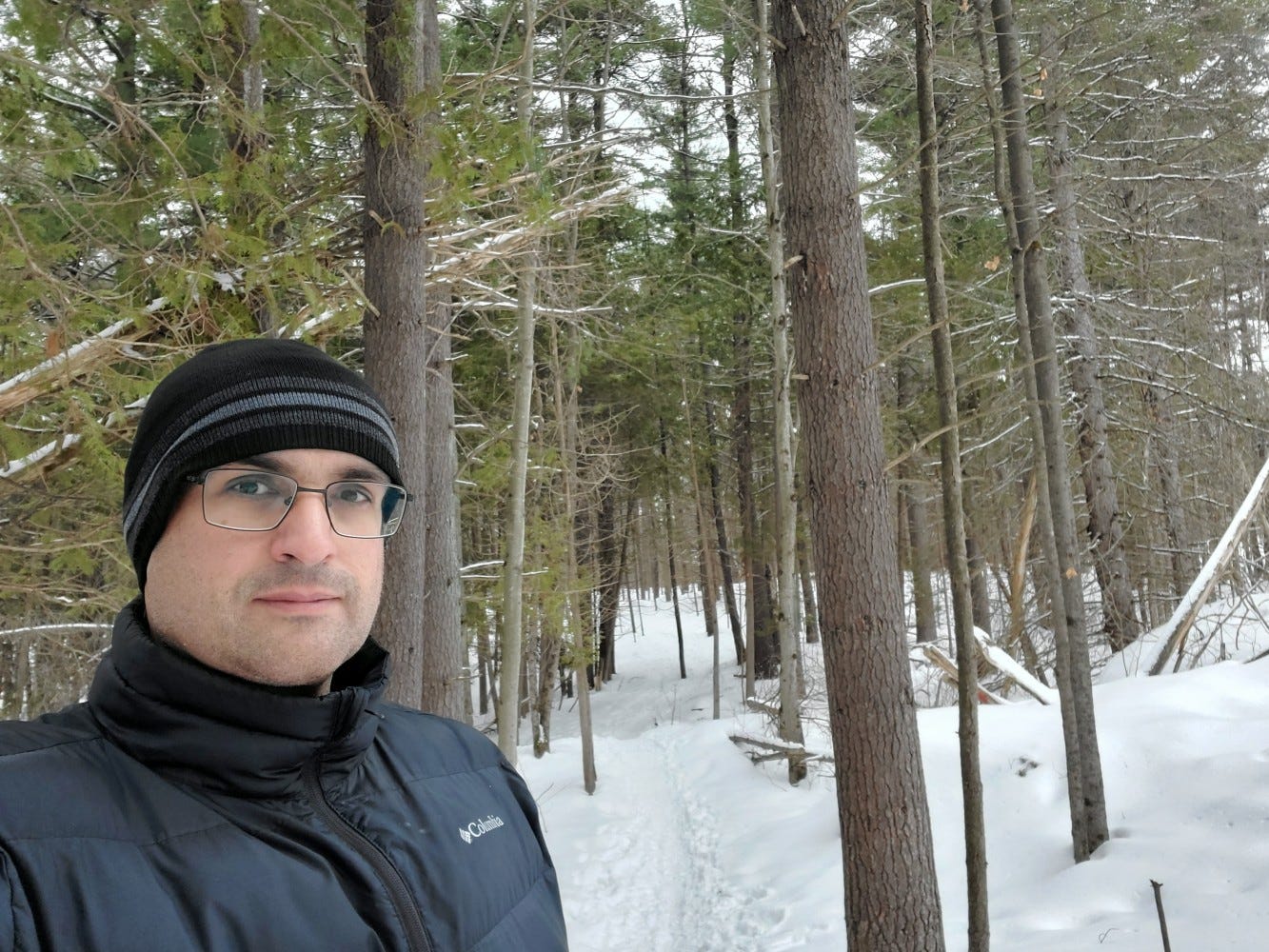
5) Not Out of the Woods Yet: I once found myself lost in the woods as dusk set in, and though I finally found the trail leading out, I had to go through a swamp to get there! It taught me that knowing where the exit is doesn’t mean the path is clear. In work and life, even when you’ve figured out the solution, getting there might mean navigating unexpected obstacles. Sometimes, the final stretch is the messiest!
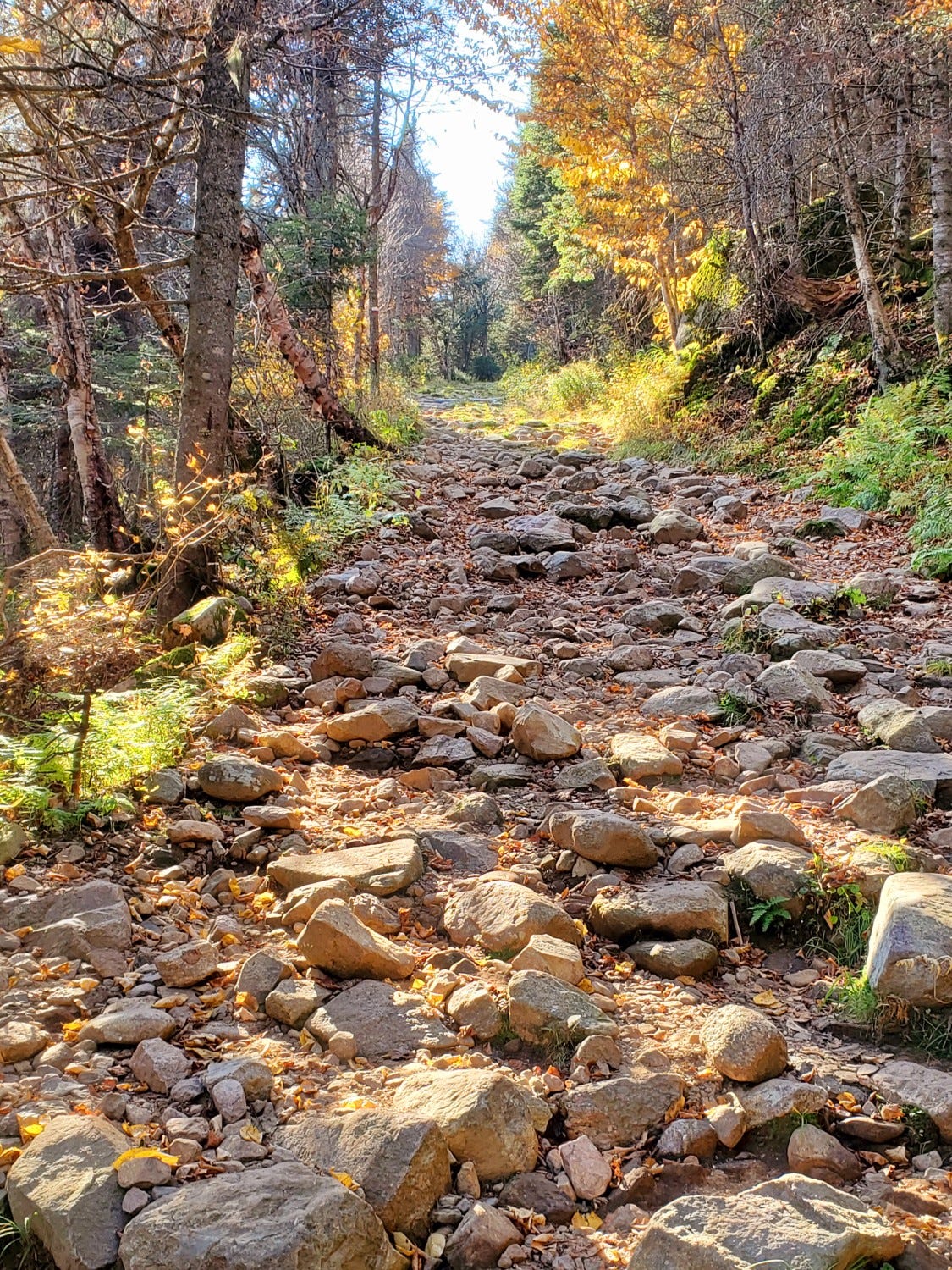
6) Going Down a Slippery Slope: I’ve learned the hard way that descending quickly on wet gravel isn’t worth the few minutes saved. It takes just one misstep to slide, and recovery isn't always easy.
In life, too, rushing into a series of shortcuts or overlooking early warning signs can create momentum that's hard to stop. Small decisions can compound – in ways both good and bad.
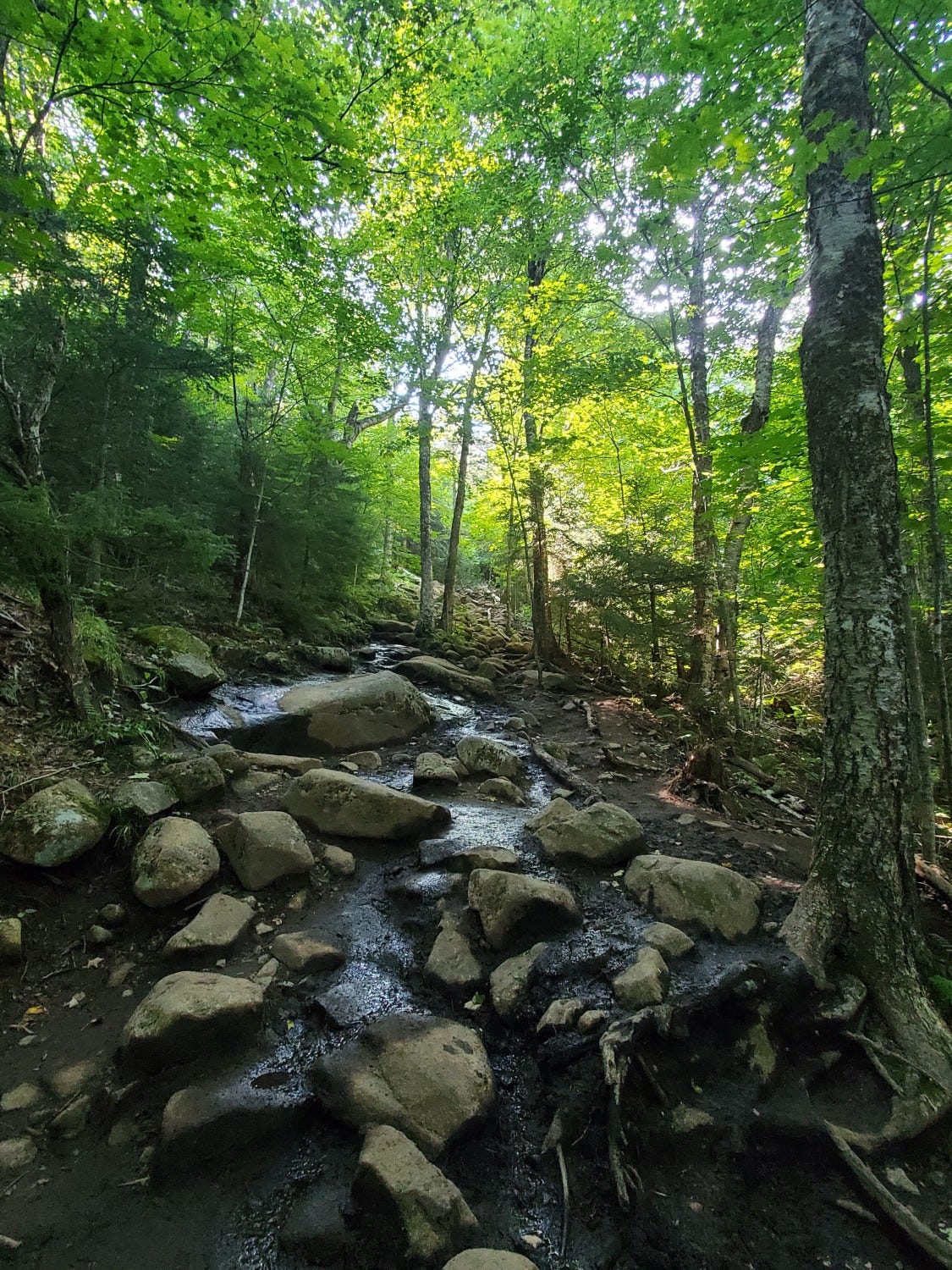
7) False Summit: One of the more humbling experiences on a hike is thinking you’ve reached the summit — only to realize there’s still more to climb. The terrain flattens, the sky opens up, and for a moment, you think you’ve made it. But then you turn a corner and see another ridge ahead.
It’s a reminder to pace yourself. In work and life, we sometimes celebrate too early or relax too soon — not because we’re careless, but because the signs are misleading. It’s okay to pause and appreciate the progress, but stay ready. The real summit may still be ahead.
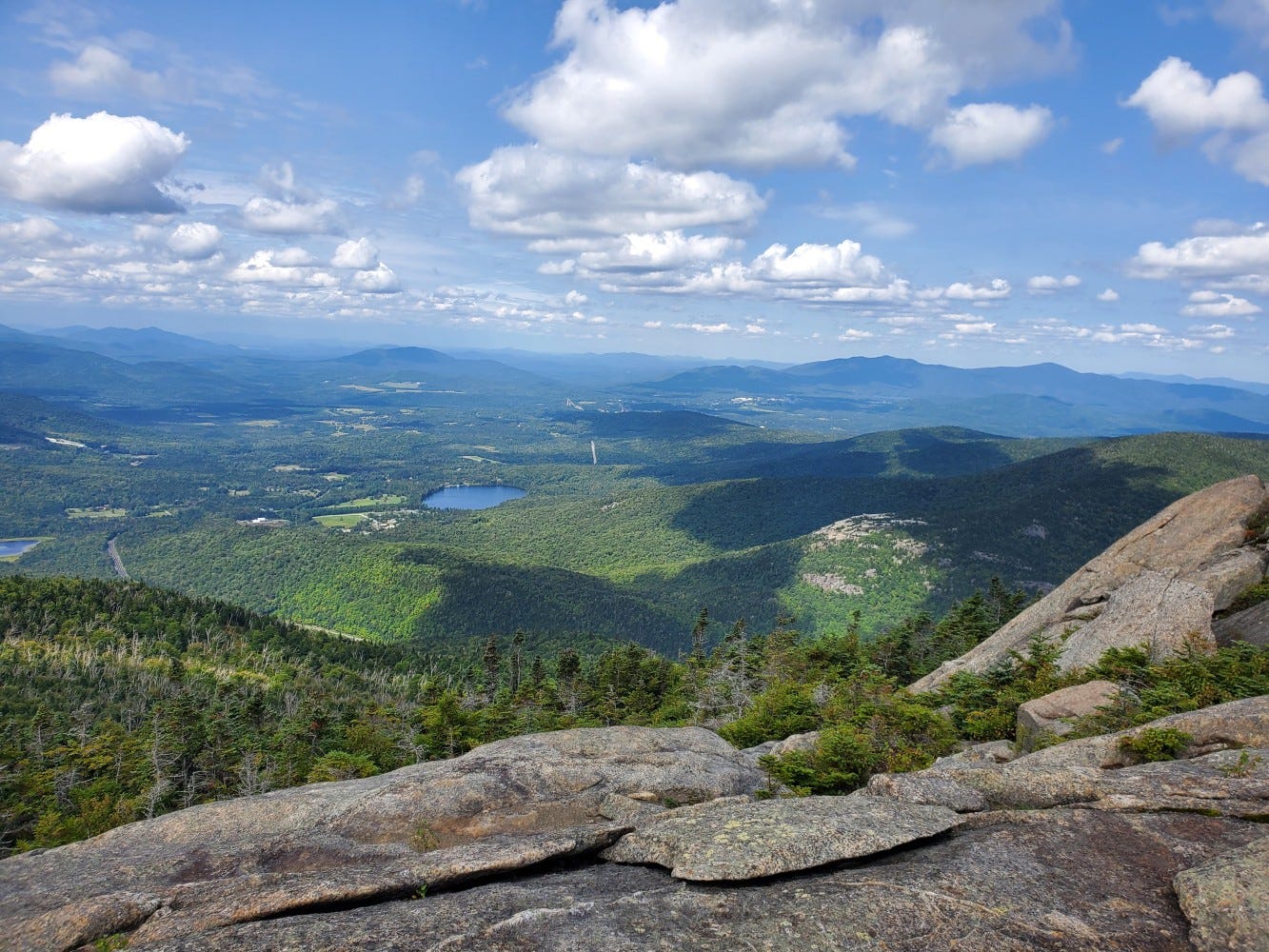
8) Finding Your Footing: I love that moment in a hike – usually early on, where my body and mind settle into rhythm. At first, I’m adjusting to the terrain, my breathing, the weight of the pack. But then it clicks. Transitions in work or life are similar. A new role, new team, or new direction can feel shaky at first. But if you give it time, you find your rhythm.
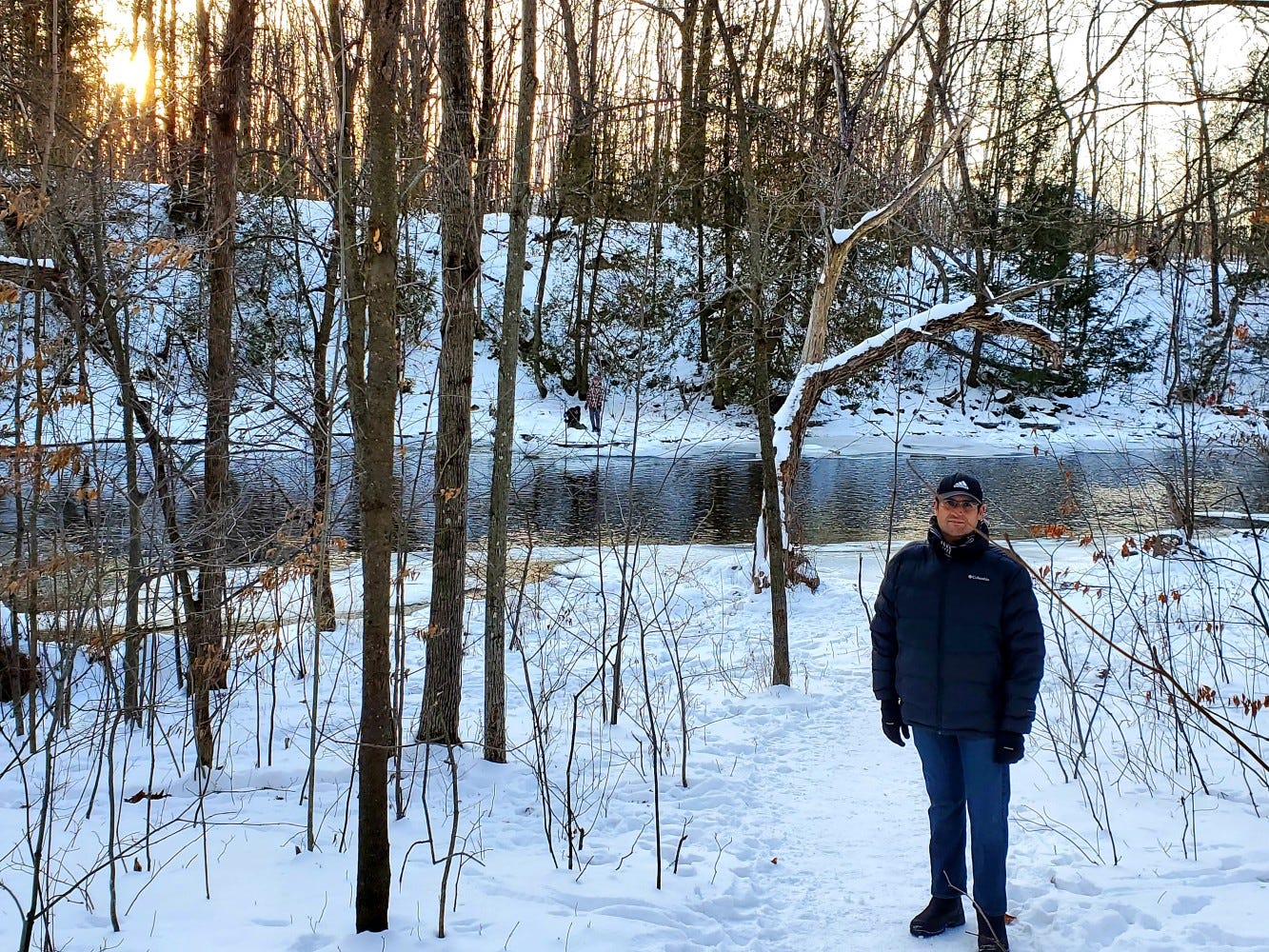
9) At a Crossroads: There are junctions on trails where you have to pause and decide. One path might look more direct, another more scenic. Sometimes the decision is influenced by the weather, or how much daylight you have left.
I’ve had these moments in life, too — choosing between competing priorities, roles, or directions. There’s rarely a perfect answer, but standing still forever isn’t one either. You assess, choose, and walk on.
Sometimes you also realize you took the wrong path. And then you have a choice: keep going and hope it works out, or retrace your steps and try another way. I’ve experienced this in leadership too – where making a decision with limited information is necessary, but being willing to admit a wrong turn and recalibrate is what really matters.
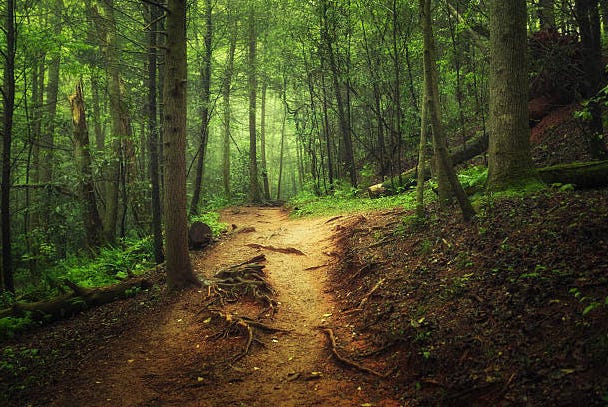
10) Go Far Go Together: On longer hikes, it’s the shared moments that stay with me – when we pause together, help each other across a stream, or laugh at how wrong the weather forecast was!
The saying “If you want to go fast, go alone. If you want to go far, go together” rings true in both hiking and leadership. I’ve come to appreciate that collective progress, even if slower, builds stronger bonds, shared understanding, and better outcomes in the long run.
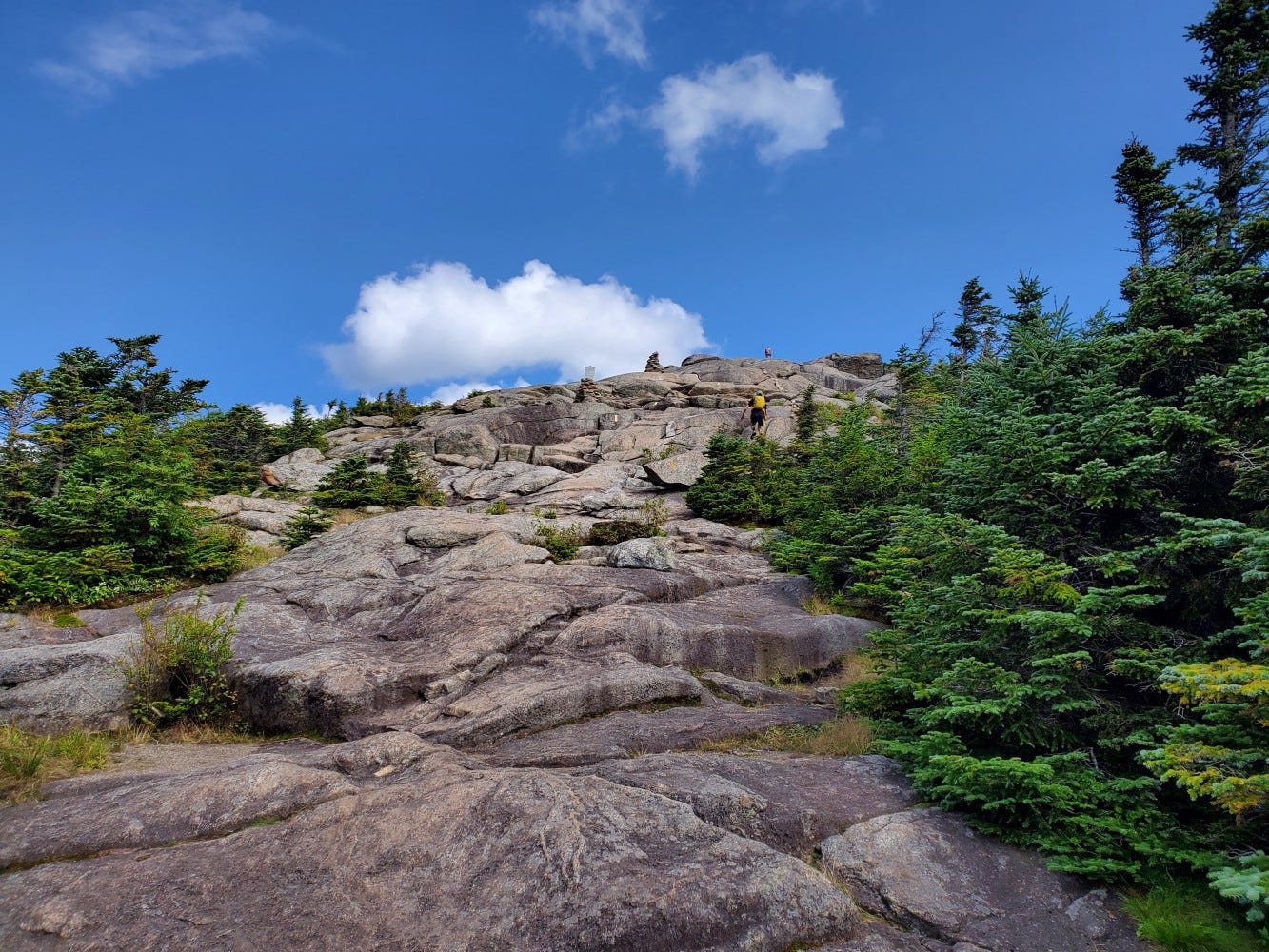
11) The Final Ascent: The last stretch to the summit is often the steepest. Legs are tired, breath is short, and every step feels heavier. But there’s also a strange momentum that kicks in — knowing you’re close helps you dig a little deeper.
I’ve seen this play out in project work and long-term goals. The finish line demands your best focus and effort — just when your energy is at its lowest. But pushing through that last climb is often what transforms good work into something memorable.
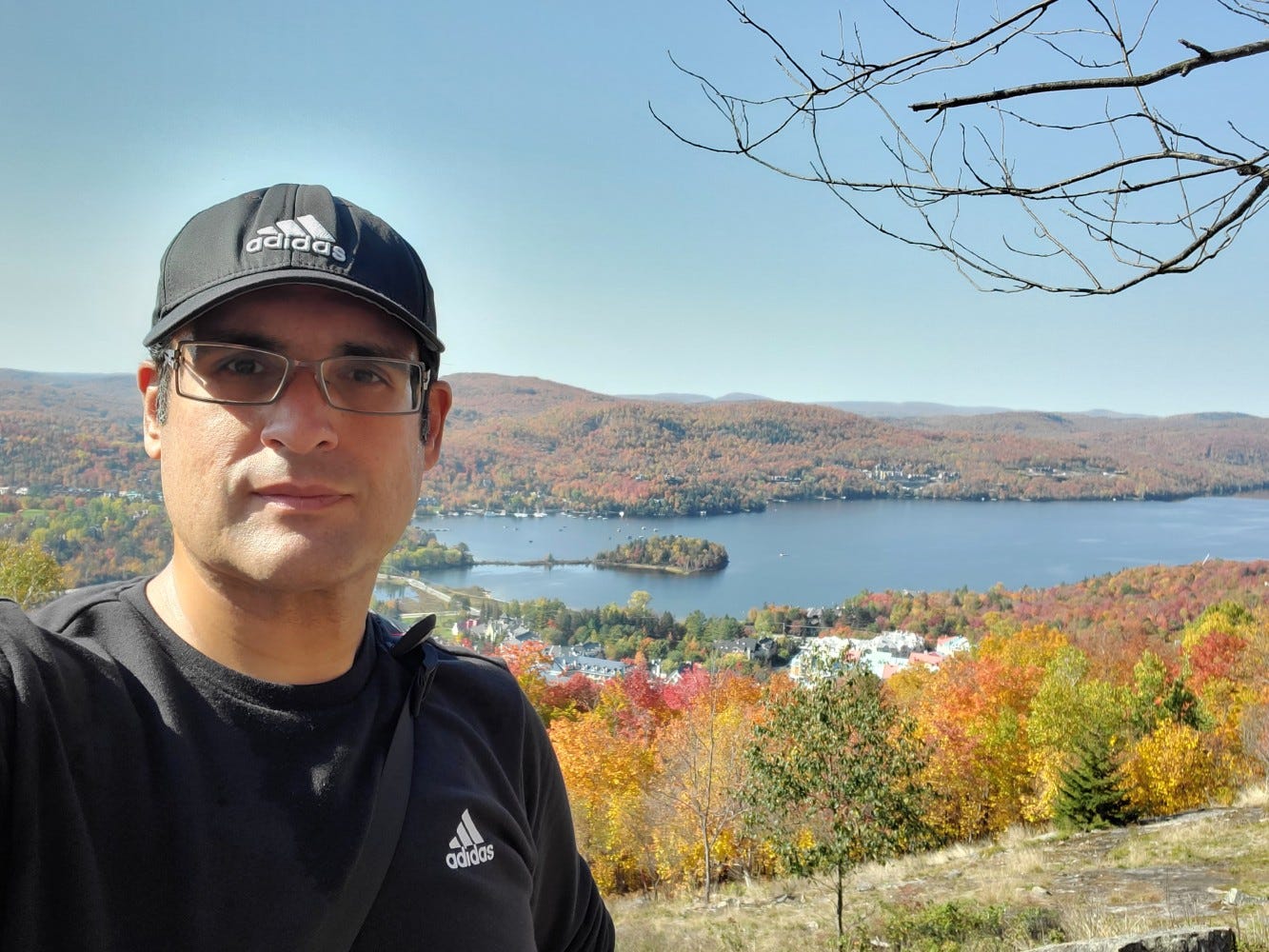
12) Many Trails to the Same Summit: For most mountains, there’s usually more than one way to the top. Some trails are direct and steep. Others wind gradually, offering a slower but sometimes more scenic route. Some trails are rocky and treacherous, while others are more forgiving underfoot.
People choose their paths differently. Some push themselves on the toughest climb. Others pace themselves to enjoy the journey. Some are interested in making it up in record time, while others arrive quietly, tired, but just as proud and triumphant.
It’s a reminder that success doesn’t look the same for everyone. The path someone takes, and the pace they choose, deserves respect. Reaching the summit is worth celebrating, but so is the perseverance it takes to get there.
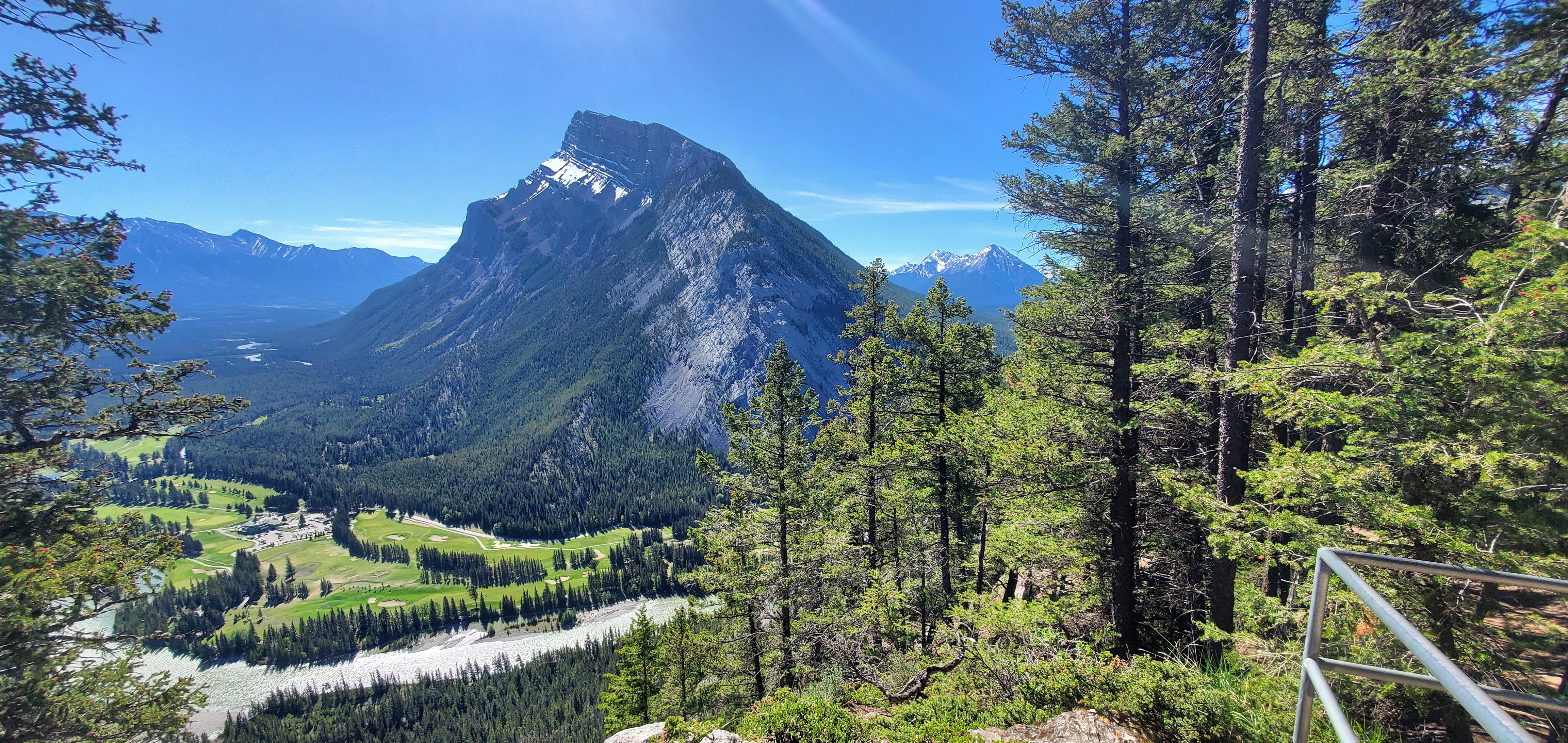
13) Same Trail, Different Experience: On my AllTrails app, the same trail might be rated “moderate” by some, “easy” by others, and “hard” by someone who found it technically or physically demanding. They’re all right! because trail difficulty isn’t just about the stats — it’s about how the trail meets you on that day.
In life and work, it’s much the same. Titles, roles, and achievements don’t tell the full story. What’s easy for one person may be an uphill battle for someone else. Before we judge someone’s pace or progress, it helps to remember that the true difficulty of a path is personal.
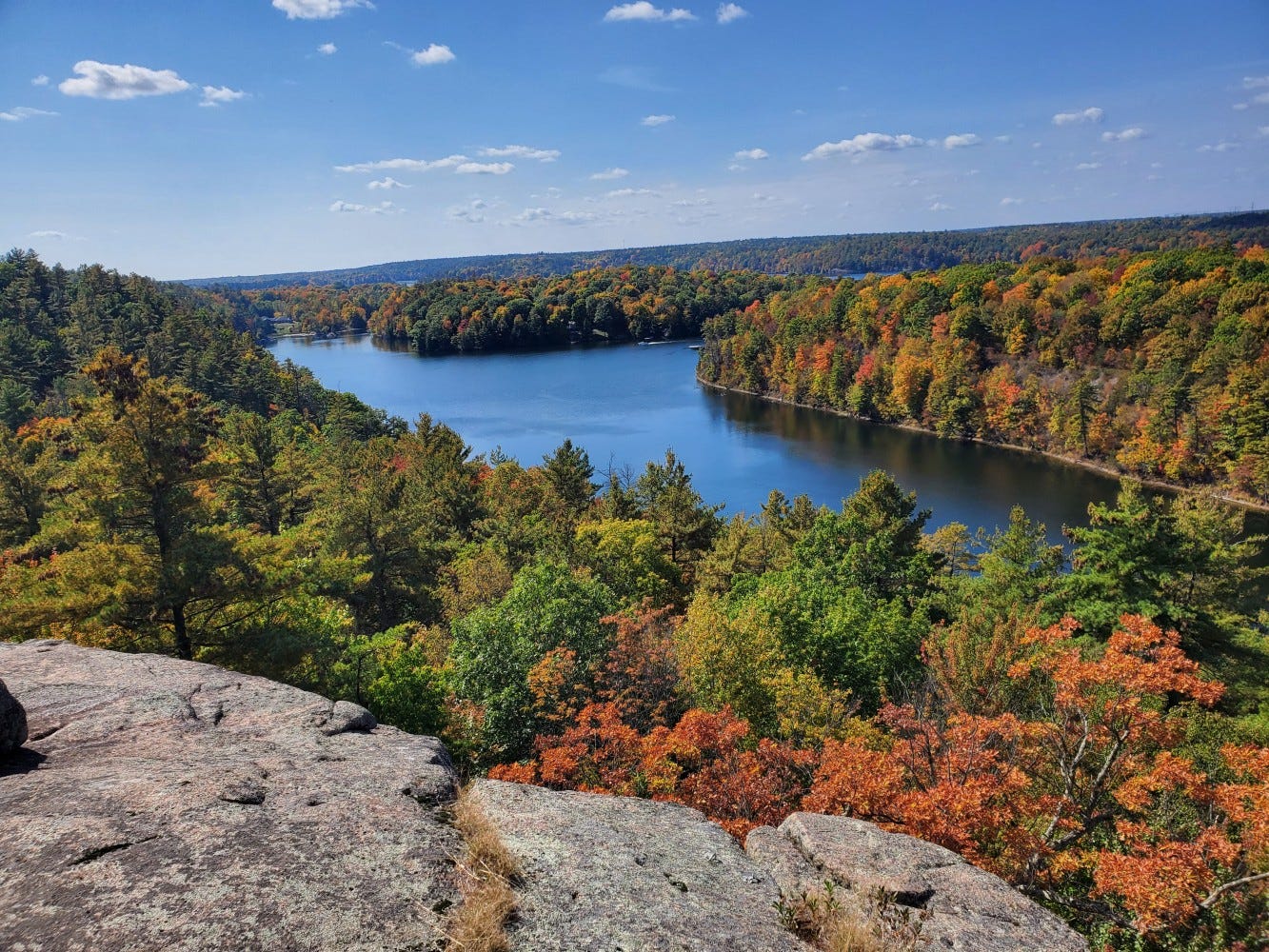
14) Beta for the Next Climber: One of my favourite parts of a hike is actually during the descent when you cross paths with others still making their way up. They often ask, “How much further?” or “Is it worth it?”
I remind myself not respond with how hard it was or how steep the final stretch is. Instead, I try to offer encouragement — tell them about the view, point out where the trail gets tricky, and share what helped me along the way.
In work and in life, it’s the same. When we’ve reached a milestone, it’s easy to focus on our own effort — but it’s far more meaningful to offer guidance to those still climbing. A little reassurance, a small tip, or simply saying “you’re almost there” can make a big difference.
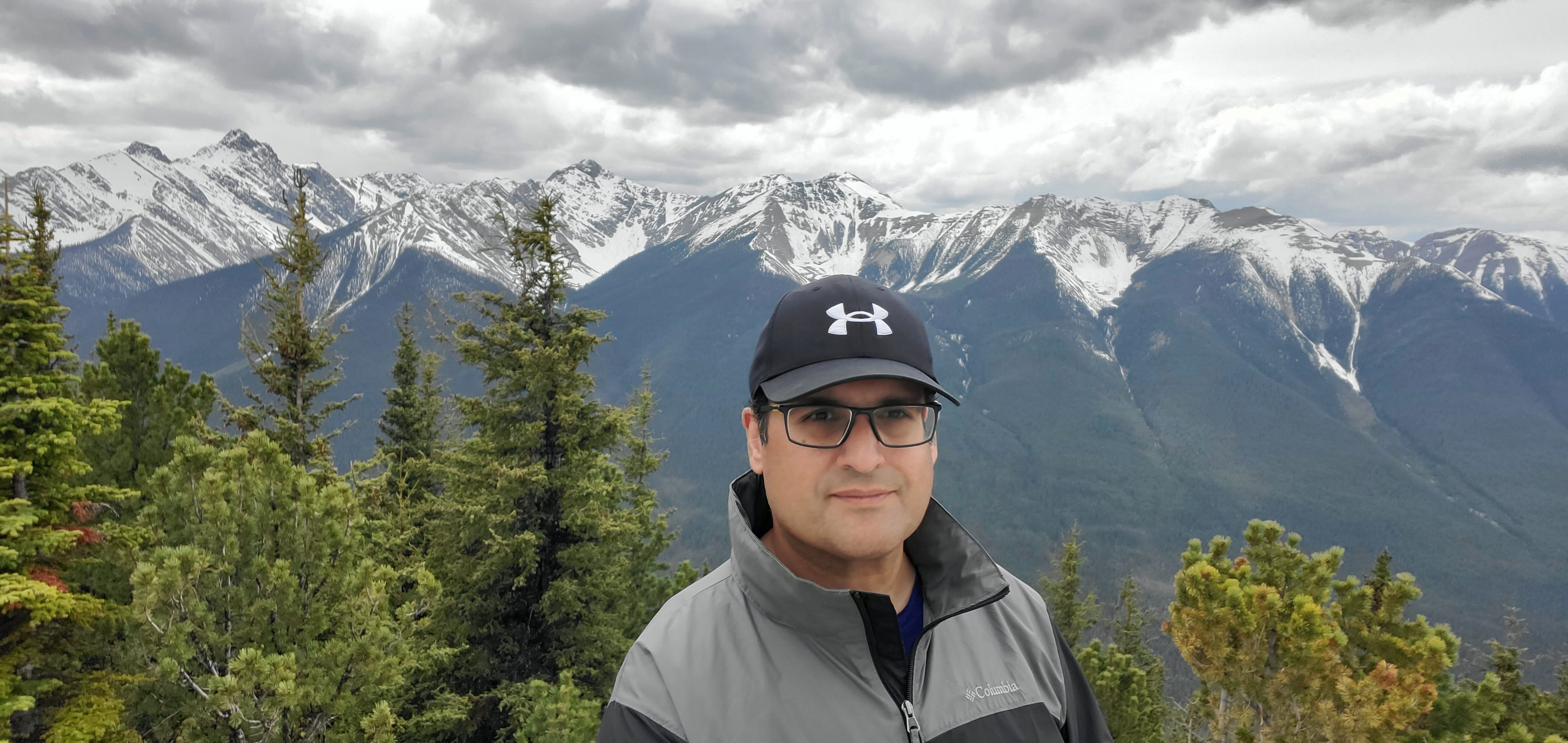
Nature tends to teach without saying much. The forest doesn’t explain itself, but if you walk long enough, you start to understand. Somehow, those lessons keep showing up when I need them most. Whether you’re on a forest trail or navigating a complex project, the metaphors hold!